
Can You Drive a Manual Car with an Automatic Licence? ⎻ A Comprehensive Guide (Updated 01/24/2026)
Navigating driving regulations can be complex. Currently, one in four tests in Great Britain are automatic, driven by EV adoption. Licence restrictions apply; an automatic licence generally doesn’t permit driving manual vehicles legally.
The automotive landscape is undergoing a significant shift, evidenced by a notable surge in drivers opting to obtain their licences specifically for automatic vehicles. Recent data reveals that approximately one in four driving tests in Great Britain are now conducted in automatic cars, a trend directly correlated with the increasing popularity of electric vehicles (EVs). This growing preference for automatics is reshaping traditional perceptions of driving and raising important questions about licence versatility.
Historically, learning to drive a manual transmission vehicle was considered the standard, often seen as a rite of passage for aspiring motorists. However, the simplicity and ease of use offered by automatic transmissions are attracting a wider demographic, particularly those seeking a less stressful learning experience. Caitlin Graham, for example, chose an automatic hoping for a quicker test pass, avoiding the complexities of a gearbox.
This shift isn’t merely about convenience; it’s also about accessibility. The rise of EVs, many of which feature single-speed transmissions, further fuels the demand for automatic-only licences. Consequently, understanding the implications of holding an automatic licence – specifically, whether it permits driving a manual car – is becoming increasingly crucial for drivers and prospective learners alike. The debate, once a strong Ford vs Holden rivalry in Australia, is now focused on transmission types.
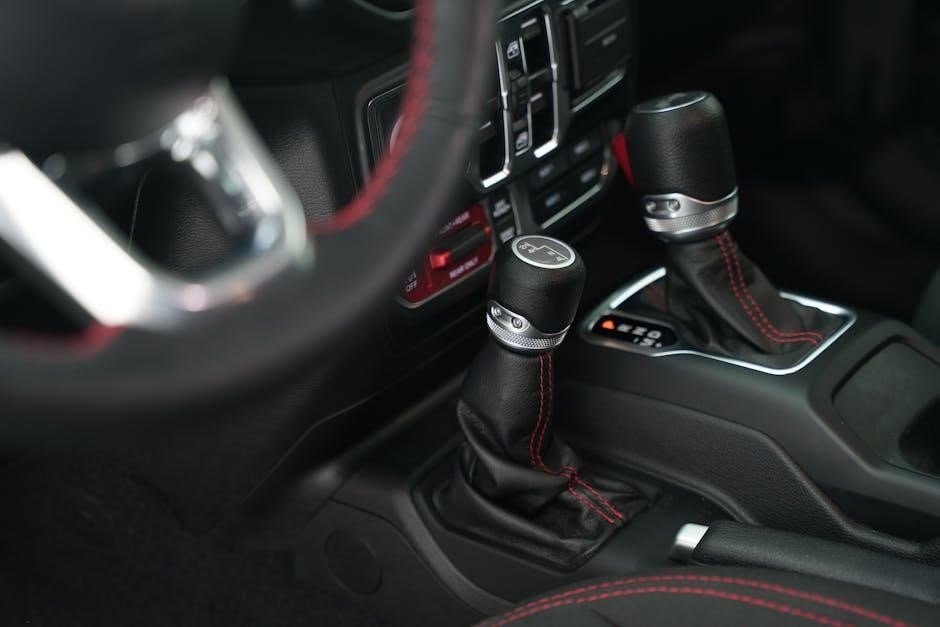
Understanding the Difference: Manual vs. Automatic Transmissions
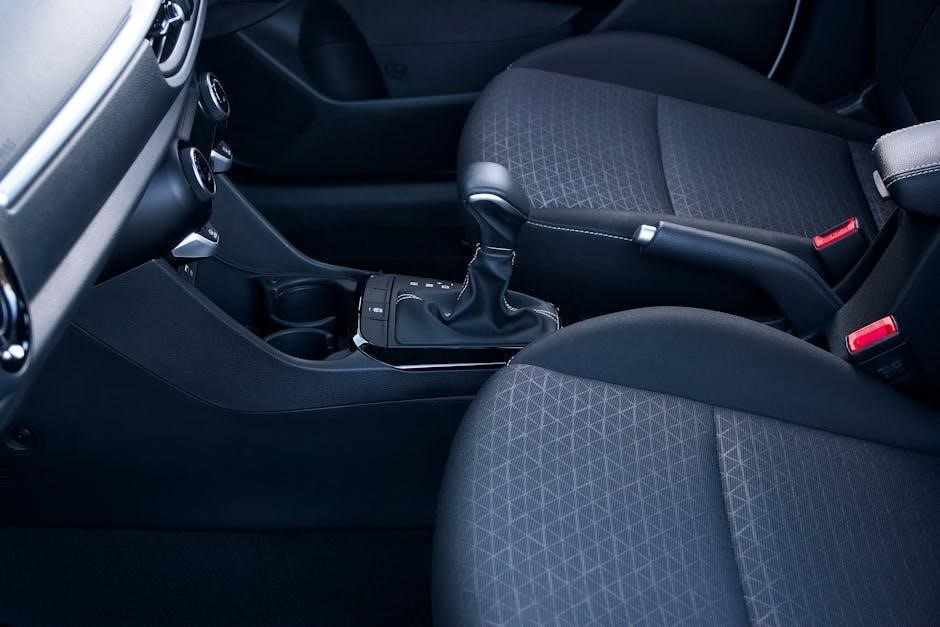
The core distinction between manual and automatic transmissions lies in how gear changes are executed. Manual cars demand direct driver intervention – utilizing a clutch pedal and gear stick to select the appropriate gear ratio for speed and engine load. This requires coordination and skill, involving learning to smoothly engage the clutch and shift gears to avoid stalling or jerky movements. Mastering this process builds a deeper connection with the vehicle.
Automatic transmissions, conversely, handle gear changes autonomously, utilizing a torque converter and planetary gearsets. Drivers simply select ‘Drive’ or ‘Reverse’, and the vehicle manages the gear selection based on speed and throttle input. This eliminates the need for clutch operation and gear shifting, simplifying the driving experience considerably.
These fundamental differences translate into distinct driving experiences. Manual transmissions offer greater control and driver engagement, while automatics prioritize convenience and ease of use. Learning a manual necessitates understanding the clutch – a key skill – and mastering the art of gear shifting. Choosing automatic simplifies driving, but restricts your licence to automatic vehicles only, as highlighted in recent guidance.
Legal Implications: Can You Legally Drive a Manual with an Automatic Licence?
Generally, the answer is no. Driving a manual car with a licence solely permitting automatic transmissions is typically illegal. Licences are often endorsed to specify the transmission type the driver is qualified to operate. This restriction stems from the significantly different skill sets required for each transmission type.
An automatic-only licence signifies the driver hasn’t demonstrated proficiency in clutch control, gear shifting, and the overall coordination needed for a manual vehicle. Allowing such a driver to operate a manual car could pose a safety risk, both to themselves and other road users.
Regulations vary by region. In the UK, driving a manual on an automatic-only licence is a legal violation. Similarly, Australian laws impose restrictions, preventing drivers with automatic licences from legally operating manual vehicles. Insurance implications are also significant; driving an incorrectly licensed vehicle could invalidate your coverage. To legally drive a manual, a conversion process – often involving training and a practical test – is usually required.
UK Regulations: Driving a Manual on an Automatic-Only Licence
In the United Kingdom, driving a manual car while holding only an automatic licence is a clear breach of the law. The Driver and Vehicle Licensing Agency (DVLA) issues licences specifying the transmission type a driver is authorized to use. An automatic-only licence explicitly restricts operation to automatic vehicles.
This regulation exists because mastering a manual transmission demands distinct skills – clutch control, precise gear changes, and coordinated operation – not assessed during an automatic-only test. Driving a manual without the appropriate licence is considered an offence, potentially leading to fines, penalty points on your licence, and even vehicle impoundment.
Furthermore, your insurance would likely be invalidated if involved in an accident while driving a manual car on an automatic-only licence. To gain legal permission to drive a manual, you must undertake additional training and pass a practical driving test in a manual vehicle. One in four driving tests are now taken in automatics, but conversion remains necessary for manual access.
Australian Laws: Automatic vs. Manual Licence Restrictions
Across Australia, the legality of driving a manual car with an automatic licence varies slightly by state and territory, but generally mirrors the UK’s approach – it’s typically illegal. Historically, the “Ford vs Holden” debate highlighted a strong manual preference, but automatic transmissions, and EVs, are gaining traction.
Most Australian jurisdictions issue licences with a transmission restriction. An automatic licence permits driving only vehicles with automatic transmissions. Attempting to operate a manual vehicle on such a licence constitutes an offence, potentially resulting in fines and demerit points. Insurance coverage would also be jeopardized in the event of an accident.
While some states might offer a pathway to add a manual transmission endorsement to an existing automatic licence without a full retest, this is becoming less common. Typically, a full practical driving test in a manual vehicle is required to obtain a licence valid for both transmission types. This ensures drivers possess the necessary skills for safe manual operation, building adaptability and confidence.
The Impact of Electric Vehicles (EVs) on Licence Choices
The rise of Electric Vehicles (EVs) is significantly influencing driver licence choices, and consequently, the demand for manual transmission training. EVs overwhelmingly feature automatic transmissions, leading to a surge in individuals obtaining automatic-only licences. Recent data indicates that one in four driving tests in Great Britain are now conducted in automatic vehicles, directly correlating with increased EV adoption.
This trend presents a paradox. While EVs promote sustainable transport, they simultaneously reduce the number of drivers proficient in manual transmissions. For those who initially learn on an automatic – often an EV – the skills required for operating a manual car remain unfamiliar, potentially limiting vehicle options and adaptability.
The simplicity and ease of use associated with automatic transmissions, particularly in EVs, appeal to many new drivers, like Caitlin Graham, who sought a quicker test pass. However, this convenience comes with restrictions. Drivers with automatic licences face legal limitations when attempting to drive manual vehicles, highlighting the importance of considering long-term driving needs when selecting a licence type.
Insurance Costs: Automatic vs. Manual Licence Holders
A notable disparity exists between car insurance premiums for drivers holding automatic versus manual licences. Recent research reveals that motorists with an automatic driving licence, increasingly common with the rise of EVs, pay an average of £84 more annually than those with manual licences. This surprising difference stems from several factors related to risk assessment by insurance providers.
Historically, manual cars were perceived as requiring greater driver skill and attentiveness, potentially leading to fewer accidents. While this perception is evolving, it continues to influence insurance calculations. Furthermore, manual cars are often associated with older vehicles and a different demographic of driver, impacting risk profiles.
The increasing prevalence of automatic transmissions, particularly in newer and often more expensive vehicles like EVs, also contributes to higher premiums. Insurance companies factor in the cost of repairing or replacing these vehicles. Therefore, choosing an automatic licence, while offering convenience, can translate to increased ongoing costs in the form of higher insurance payments, a factor drivers should carefully consider.
The 7-Hour Training Requirement (Specific Regions)
In certain regions, a specific pathway exists for automatic licence holders wishing to gain the ability to legally operate a manual vehicle. This typically involves completing a mandatory 7-hour training course with a qualified driving instructor. This requirement isn’t universally applied, varying based on local driving regulations and licensing authorities.
The purpose of this training is to equip drivers with the essential skills needed for manual transmission, specifically focusing on clutch control, smooth gear shifting, and hill starts. It addresses the fundamental differences between driving an automatic and a manual car, ensuring competency and safety;
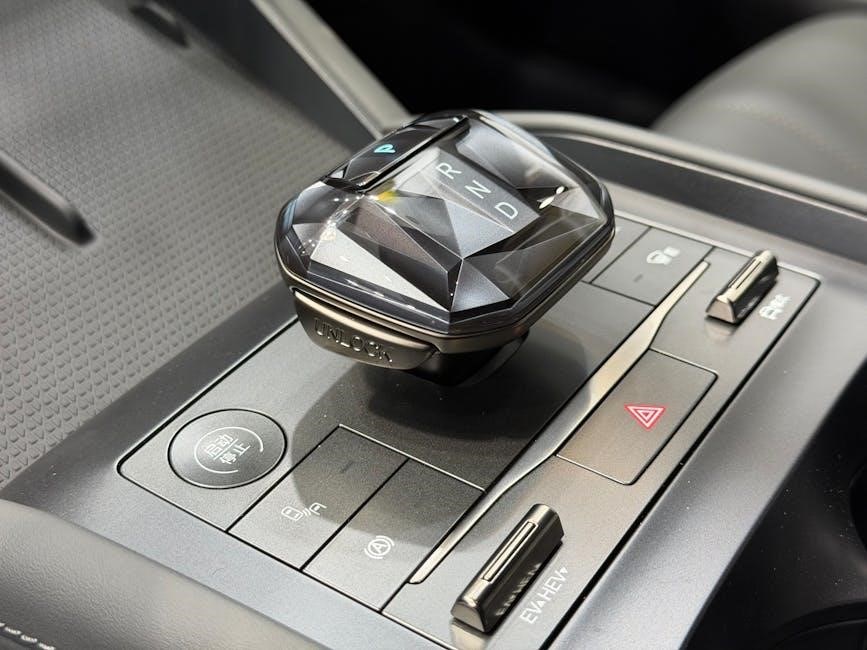
Upon successful completion of the 7-hour course, drivers are generally required to pass a practical driving test in a manual vehicle to fully upgrade their licence. This test assesses their ability to confidently and safely operate a manual transmission car in various driving conditions. It’s crucial to verify the specific requirements within your region, as regulations can differ significantly.
Converting an Automatic Licence to a Manual Licence: The Process
The conversion from an automatic to a manual licence generally involves a two-step process: practical training and a practical driving test. While a theoretical exam is usually waived for automatic licence holders, mastering the skills required for manual transmission is paramount. Initial training, often around 7 hours in some regions, focuses on clutch control, gear selection, and coordinating these elements for smooth driving.
Following training, a practical driving test in a manual vehicle is mandatory. This assessment evaluates the driver’s ability to safely and competently operate a manual transmission car in diverse traffic scenarios. Examiners will assess skills like hill starts, gear changes during acceleration and deceleration, and overall vehicle control.
Preparation is key; practice outside of formal lessons is highly recommended. Familiarizing yourself with the ‘feel’ of the clutch and gear changes builds confidence. Successfully passing the manual test results in a full, unrestricted driving licence, granting the freedom to drive both automatic and manual vehicles legally.
Benefits of Learning to Drive a Manual Car
Embarking on the journey of learning to drive a manual car offers a wealth of advantages beyond simply gaining the ability to operate a stick shift. It fosters a deeper understanding of vehicle mechanics, enhancing driver awareness and control. Mastering the clutch and gear shifting cultivates adaptability and problem-solving skills applicable to various driving situations.
This heightened level of engagement translates into increased confidence behind the wheel. Drivers proficient in manual transmission often exhibit greater vehicle control, particularly in challenging conditions like slippery roads or steep inclines. The skill set developed also promotes a more mindful and connected driving experience.
Furthermore, a manual licence provides unparalleled versatility. It allows drivers to operate a wider range of vehicles, eliminating restrictions imposed by an automatic-only licence. This adaptability proves invaluable when renting cars abroad or accessing vehicles not readily available in automatic versions, ultimately expanding driving freedom.
Developing Adaptability and Confidence as a Driver
The process of learning a manual transmission inherently builds adaptability. Successfully navigating the coordination required – clutch control, gear selection, and throttle management – demands quick thinking and precise responses. This constant engagement sharpens reflexes and enhances a driver’s ability to react effectively to changing road conditions.
Overcoming the initial challenges of mastering a manual gearbox fosters a significant boost in confidence. Each successful gear change and smooth start reinforces a sense of accomplishment, translating into greater self-assurance behind the wheel. This confidence extends beyond manual driving, positively influencing overall driving competence.
The heightened awareness of vehicle mechanics gained through manual driving contributes to a more intuitive understanding of how a car functions. This knowledge empowers drivers to anticipate potential issues and respond proactively, further enhancing safety and control. Ultimately, learning manual cultivates a more skilled, confident, and adaptable driver prepared for diverse driving scenarios.
Licence Versatility: The Advantage of a Manual Licence
Holding a full manual driving licence offers unparalleled versatility. Unlike an automatic-only licence, it grants the freedom to operate both manual and automatic vehicles legally. This flexibility proves invaluable in various situations, such as needing to drive a rental car abroad where manual transmissions are prevalent, or assisting friends and family with their vehicles.
The ability to drive a manual car expands your options significantly. Should circumstances change, or a preference for a manual vehicle arise, a manual licence removes any barriers to driving it. This adaptability is particularly beneficial in regions where manual cars remain common, like Australia, where the debate between Ford and Holden once highlighted this preference.
Furthermore, possessing a manual licence can be advantageous when learning to drive. The skills acquired – clutch control, gear shifting – build a solid foundation for overall driving proficiency. It’s a skill that, while perhaps less frequently utilized with the rise of automatics, remains a valuable asset for any driver.
The Appeal of Automatic Cars: Simplicity and Ease of Use
Automatic cars have surged in popularity, largely due to their inherent simplicity and ease of operation. Eliminating the need for clutch control and gear shifting significantly reduces the cognitive load on the driver, making the driving experience less demanding, particularly in congested urban environments.
This simplicity appeals to a growing number of drivers, especially those new to driving or those who prioritize comfort and convenience. Caitlin Graham, for example, opted for an automatic test hoping for a quicker pass, highlighting the perceived ease. The absence of a clutch pedal and gear stick makes driving more intuitive for many.
The rise of electric vehicles (EVs) further fuels the appeal of automatics, as most EVs feature single-speed transmissions, effectively making them automatic. This trend is reflected in the increasing number of driving tests taken in automatic cars – now one in four in Great Britain. For drivers seeking a relaxed and straightforward driving experience, automatics offer a compelling solution.
Why Some Drivers Choose to Learn Automatic First
Several factors contribute to the growing trend of drivers initially learning in automatic vehicles. The perceived difficulty of mastering a manual transmission, particularly the coordination required for clutch control and gear changes, often deters beginners. Many find the learning curve steeper and prefer to focus on fundamental driving skills without the added complexity.
The desire for a quicker path to obtaining a licence also plays a role. As Caitlin Graham’s experience illustrates, some believe an automatic test is easier to pass, allowing them to drive sooner. This is especially appealing in areas with long waiting lists for driving tests. The focus shifts to road awareness and safe driving practices, rather than mechanical operation.
Furthermore, the increasing prevalence of automatic cars, including the vast majority of EVs, makes learning automatic a practical choice for many. It provides immediate driving capability in a significant portion of the current vehicle market, offering convenience and accessibility. Ultimately, it’s about prioritizing a less stressful initial learning experience.
The Perception of Difficulty: Manual vs. Automatic Learning Curves
The common perception is that learning to drive a manual car presents a significantly steeper learning curve than an automatic. This stems from the additional skills required – mastering clutch control, coordinating gear shifts, and preventing stalling. These elements demand a higher level of coordination and can initially feel overwhelming for new drivers.
Conversely, automatic transmissions are often viewed as simpler, allowing drivers to concentrate on steering, braking, and observing traffic. The absence of a clutch and gear stick removes a layer of complexity, making the initial learning phase less daunting. This perceived ease contributes to the growing number of individuals choosing to learn automatic first.
However, this doesn’t necessarily equate to automatic drivers being ‘better’ drivers overall. While manual requires more initial effort, it fosters a deeper understanding of vehicle mechanics and control. The debate, reminiscent of the Ford vs Holden rivalry in Australia, highlights differing priorities and learning styles.
The Clutch: A Key Skill for Manual Transmission
The clutch pedal is arguably the most distinctive – and initially challenging – element of driving a manual car. It’s the interface between the engine and the wheels, controlling the transfer of power. Mastering the clutch is fundamental to smooth gear changes and preventing the vehicle from stalling, a common frustration for learners.
Effective clutch control involves a delicate balance of releasing the pedal gradually while simultaneously applying throttle. This coordination requires practice and muscle memory. Incorrect clutch usage can lead to jerky starts, stalled engines, and excessive wear on the clutch plate itself. It’s a skill that separates manual drivers from those accustomed to the simplicity of automatics.
Unlike automatic transmissions, where the car handles gear selection automatically, manual drivers must actively engage the clutch and shift gears to match the vehicle’s speed and engine load. This demands constant attention and anticipation, contributing to the perception of a steeper learning curve. However, successful clutch mastery unlocks a greater sense of control and connection with the vehicle.
Gear Shifting: Mastering the Art of Manual Control
Beyond the clutch, proficient gear shifting is central to the manual driving experience. It’s not merely about moving the gear lever; it’s a coordinated sequence involving clutch engagement, throttle control, and precise lever movement; Each gear corresponds to a specific speed range, and selecting the appropriate gear optimizes engine performance and fuel efficiency.
The process typically involves depressing the clutch, moving the gear lever to the desired position, and then smoothly releasing the clutch while simultaneously applying throttle. Downshifting – moving to a lower gear – is crucial for maintaining power when slowing down or climbing hills. Upshifting – moving to a higher gear – is used to increase speed and reduce engine revs.
Mastering gear shifting requires understanding the engine’s ‘sweet spot’ – the RPM range where it delivers optimal power. Experienced drivers anticipate gear changes based on engine sound and vehicle speed, creating a seamless and responsive driving experience. This active control distinguishes manual driving from the passive nature of automatic transmissions, fostering a deeper connection between driver and machine.
Potential Challenges When Switching from Automatic to Manual
Transitioning from an automatic to a manual transmission presents several challenges for drivers accustomed to simplified operation. The most significant hurdle is coordinating the clutch, throttle, and gear lever – a multi-tasking skill requiring practice and muscle memory. Stalling the engine is a common initial experience, often occurring during clutch engagement or low-speed maneuvers.
Hill starts can also prove difficult, demanding precise timing to prevent rolling backward. Smooth gear changes require finesse, and jerky shifts can be uncomfortable for passengers. Drivers may initially struggle with anticipating gear changes, leading to inefficient engine operation or a lack of responsiveness.
Furthermore, the constant need for clutch operation can be physically tiring, especially in stop-and-go traffic. Overcoming these challenges demands patience, focused practice, and a willingness to adapt to a more involved driving style. While initially daunting, mastering a manual transmission ultimately enhances driving skill and control.
Cost Considerations: Training and Potential Insurance Adjustments
Converting from an automatic to a manual licence involves financial implications. Drivers typically require around seven hours of professional training to acquire the necessary skills, incurring tuition fees. These costs vary depending on the instructor and location, but represent a significant initial investment.
Interestingly, research indicates that motorists with automatic licences currently pay, on average, £84 more annually for car insurance compared to those holding manual licences. This premium difference stems from statistical data suggesting manual drivers are often more experienced and demonstrate greater vehicle control.
However, successfully obtaining a manual licence could potentially lower insurance premiums, although this isn’t guaranteed and depends on individual circumstances and insurer policies. It’s crucial to obtain quotes from multiple providers to assess potential savings. Beyond training and insurance, consider the potential for increased fuel efficiency with skilled manual driving, offering long-term cost benefits.
Future Trends: The Evolution of Driving Licences and Transmission Types
The automotive landscape is rapidly evolving, influencing driving licence requirements. The increasing prevalence of electric vehicles (EVs), often equipped with single-speed transmissions, is driving a surge in automatic licence acquisitions – currently, one in four tests in Great Britain are conducted in automatics.

This trend prompts questions about the future of manual transmission training and licensing. Will manual skills become obsolete? It’s unlikely in the short term, as many vehicles still utilize manual gearboxes, and the adaptability fostered by manual driving remains valuable. However, regulatory bodies may adapt to accommodate the shift towards EVs and simplified transmissions.
Potential changes could include harmonizing licence categories, allowing drivers with automatic licences to operate EVs without restriction, or introducing new endorsements for specific transmission types. The debate between manual versus automatic, once a significant divide, may gradually diminish as technology advances, potentially leading to more flexible and universally applicable driving qualifications.
Leave a Reply