
Maintaining your t-shirts’ vibrant colors and eye-catching prints requires understanding proper washing methods and fabric types, ensuring a prolonged lifespan for your
beloved garments․
At Steel City, we prioritize both stylish designs and guidance on how to care for them, offering essential tips for preserving your t-shirt collection․
Why Proper Care Matters
Investing in quality t-shirts is a smart move, but maximizing their lifespan hinges on diligent care․ Ignoring proper washing and drying techniques can lead to faded colors, distorted shapes, and premature wear and tear, ultimately diminishing your investment․
Understanding that not all fabrics are created equal is paramount․ Cotton, polyester, and blends each respond differently to various care methods․ For instance, cotton tees, known for their breathability, are prone to shrinkage if exposed to high heat during washing or drying․
Conversely, polyester blends offer enhanced durability and stretch, but require specific attention to prevent pilling․ Proper care isn’t merely about cleanliness; it’s about preserving the integrity of the fabric and the vibrancy of any graphic prints․ Following recommended guidelines ensures your t-shirts remain a staple in your wardrobe for years to come, maintaining their stylish appeal wash after wash․
The Lifespan of a T-Shirt: Factors Involved
Determining a t-shirt’s longevity isn’t simply about time; it’s a complex interplay of fabric quality, washing frequency, and care practices․ A high-quality cotton tee, diligently cared for, can remain wearable for years, while a cheaper alternative might show significant wear after just a few washes․
Washing habits play a crucial role․ Frequent washing, even with gentle detergents, gradually breaks down fabric fibers․ Harsh detergents and high water temperatures accelerate this process․ The type of fabric also matters; polyester blends generally withstand more washes than pure cotton․
Furthermore, the presence of graphic prints introduces another variable․ Improper washing techniques can cause prints to crack, fade, or peel․ External factors like sun exposure and abrasion during wear also contribute to a t-shirt’s overall lifespan․ Ultimately, a combination of mindful care and quality materials dictates how long your favorite tees will remain in rotation․

Understanding T-Shirt Fabrics
Knowing your t-shirt’s fabric composition – whether cotton, polyester, or a blend – is vital for determining the best washing and care practices for longevity․
Cotton T-Shirts: Characteristics and Care
Cotton t-shirts are celebrated for their breathability and softness, making them a comfortable choice for everyday wear․ However, these beloved tees are prone to shrinking if not washed correctly, demanding a gentle approach to maintain their shape and size․
When washing cotton t-shirts, it’s best to turn them inside out to protect the fabric and colors․ Opt for cold water and a mild detergent to minimize shrinkage and fading․ Avoid harsh chemicals or bleach, as these can damage the cotton fibers․ A delicate cycle on your washing machine is ideal, or you can choose to hand wash for extra care․
Regarding drying, air drying is the most recommended method for cotton t-shirts․ Laying them flat or hanging them on a rack will help prevent stretching and maintain their original form․ If you prefer using a dryer, select a low heat setting and remove the shirts while they are still slightly damp to avoid over-drying and potential shrinkage․
Polyester T-Shirts: Characteristics and Care
Polyester t-shirts offer excellent durability and stretch, resisting wrinkles and maintaining their shape well․ Unlike cotton, polyester is less prone to shrinking, providing more flexibility in washing․ However, it requires specific care to prevent pilling and maintain its vibrant appearance․

When washing polyester tees, turning them inside out is still recommended to protect the fabric․ You can use either cold or warm water with a mild detergent․ Avoid high temperatures, as they can damage the polyester fibers․ A gentle cycle on your washing machine is suitable, ensuring a thorough yet delicate clean․
Polyester dries quickly, making air drying a convenient option․ However, it can also be tumble dried on a low heat setting․ Avoid using high heat, as this can cause the fabric to melt or become misshapen․ To minimize pilling, avoid washing polyester tees with abrasive materials like towels or denim․
Blended Fabrics: Common Ratios and Considerations
Blended fabrics, commonly combining cotton and polyester, aim to leverage the benefits of both materials․ A typical ratio is 50/50, offering a balance of comfort, durability, and wrinkle resistance․ Other common blends include 65% polyester/35% cotton or 80% cotton/20% polyester, each impacting the garment’s characteristics․
Caring for blended t-shirts requires a nuanced approach․ Generally, washing inside out in cold or warm water with a mild detergent is recommended․ A gentle cycle minimizes wear and tear․ Avoid harsh chemicals like bleach, which can damage the fibers and fade colors․
Drying blended fabrics requires caution․ Air drying is always a safe option, preventing shrinkage and preserving the fabric’s integrity․ If using a dryer, opt for a low heat setting․ Understanding the specific blend ratio is crucial; higher polyester content allows for slightly warmer drying temperatures․

Washing Your T-Shirts
Proper washing techniques are vital for maintaining t-shirt quality, extending their lifespan, and preserving vibrant colors and prints through careful selection of methods․
Washing Machine vs․ Hand Washing
When considering how to wash your t-shirts, the debate between using a washing machine and hand washing often arises․ While washing machines offer convenience, hand washing provides a gentler approach, particularly beneficial for delicate fabrics or graphic tees․
For most t-shirts, a washing machine cycle on a delicate or gentle setting is suitable․ However, for vintage tees or those with intricate prints, hand washing is recommended․ This involves using cool water and a mild detergent, gently agitating the fabric, and avoiding harsh scrubbing․
Hand washing minimizes the risk of print damage or fabric distortion․ If using a washing machine, always turn the t-shirt inside out to protect the outer surface․ This simple step can significantly prolong the life of your favorite tees, preserving their quality and appearance for years to come․
Water Temperature: Hot, Warm, or Cold?
Selecting the appropriate water temperature is crucial when washing t-shirts to prevent damage and maintain their quality․ Generally, cold water is the safest option for most t-shirt fabrics, especially those with graphic prints․
Hot water can cause colors to fade, fabrics to shrink, and prints to crack or peel․ Warm water offers a middle ground, but it still carries some risk of color bleeding and shrinkage․ Cold water minimizes these risks, preserving the vibrancy of your t-shirts․
For cotton tees, cold water is particularly important to prevent excessive shrinkage․ Polyester blends also benefit from cold water washing, as it helps maintain their shape and elasticity․ Always check the care label for specific instructions, but when in doubt, opt for cold water to ensure the longevity of your favorite tees․
Choosing the Right Laundry Detergent
Selecting the correct laundry detergent is vital for preserving the quality and appearance of your t-shirts․ Harsh detergents containing bleach or brighteners can cause colors to fade and damage delicate fabrics, especially graphic prints․
Opt for a mild, color-safe detergent specifically designed for delicate fabrics․ Detergents labeled as “gentle” or “for dark colors” are excellent choices․ These formulas are less likely to strip dyes or cause shrinkage․
Avoid detergents with added fragrances or dyes, as these can irritate sensitive skin and potentially transfer onto your clothes․ Liquid detergents generally dissolve more easily than powder detergents, reducing the risk of residue buildup․ Always follow the detergent manufacturer’s instructions for proper dosage to avoid over-soaping, which can leave residue and dull colors․
Washing Graphic Tees: Preserving Prints
Graphic tees require extra care to maintain the vibrancy of their designs․ The key to preserving prints lies in gentle handling and avoiding harsh washing conditions․ Always turn your graphic tee inside out before washing; this protects the printed design from direct friction during the wash cycle․
Wash graphic tees in cold water, as hot water can cause the print to crack or peel․ A delicate cycle is also recommended to minimize agitation․ Avoid using bleach or fabric softeners, as these can damage the print and fade the colors․
Consider hand washing particularly intricate or valuable graphic tees․ This provides the most gentle cleaning method, ensuring the longevity of the design․ When in doubt, err on the side of caution and treat your graphic tees with extra care․
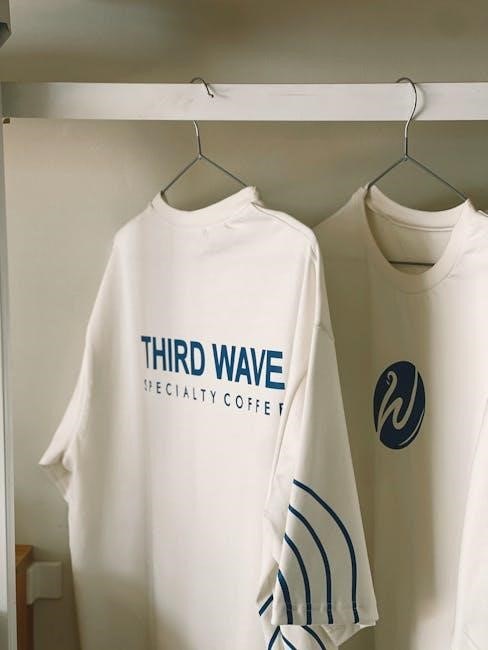
Drying Your T-Shirts
Proper drying techniques are crucial for maintaining t-shirt quality and preventing damage․ Air drying or using a low heat setting in the tumble dryer is recommended․
Air Drying: Benefits and Techniques
Air drying is widely considered the gentlest method for preserving your t-shirts, offering numerous benefits over machine drying․ It minimizes shrinkage, prevents fabric damage, and helps maintain the vibrancy of colors and prints, especially for graphic tees․
To effectively air dry, begin by gently reshaping the t-shirt after washing․ Avoid wringing it out, as this can distort the fabric․ Instead, carefully squeeze out excess water․ Then, lay the t-shirt flat on a clean, dry surface, such as a drying rack or a towel-covered table․
Alternatively, you can hang the t-shirt using a plastic or wooden hanger․ If using a hanger, be mindful of potential shoulder indentations; turning the shirt inside out can help mitigate this․ Ensure adequate ventilation in the drying area to speed up the process and prevent mildew․ Avoid direct sunlight, as it can cause fading, particularly with darker colored tees․
Allow ample time for complete drying, which may take longer than machine drying, but the benefits to your t-shirt’s longevity are well worth the wait․
Tumble Drying: Settings and Precautions
While air drying is preferred, tumble drying can be convenient․ However, it requires careful attention to settings and precautions to minimize damage․ Always check the garment’s care label first; some fabrics are simply not suitable for machine drying․
If tumble drying, opt for the lowest heat setting possible – ideally, “delicate” or “air fluff․” High heat can cause significant shrinkage and damage to fibers, especially in cotton and blended fabrics․ Consider using dryer balls to help soften fabrics and reduce drying time․
For graphic tees, turning the shirt inside out before drying is crucial to protect the print from abrasion and fading․ Avoid over-drying, as this can also contribute to shrinkage and fabric breakdown․ Remove the t-shirt promptly once it’s dry or slightly damp․
Remember that even with these precautions, tumble drying carries a higher risk of damage compared to air drying, so use it judiciously․
Avoiding Shrinkage During Drying
Shrinkage is a common concern when washing t-shirts, particularly those made of cotton․ To minimize this, prioritize air drying whenever possible․ If using a dryer, several precautions can be taken․ Always use the lowest heat setting – “delicate” or “air fluff” are ideal – as high heat aggressively shrinks fibers․
Removing the t-shirt from the dryer while it’s still slightly damp can also help prevent excessive shrinkage․ Avoid over-drying at all costs․ Gently reshaping the garment immediately after washing or drying, while it’s still pliable, is beneficial․
For pre-shrunk t-shirts, the risk is lower, but still present․ Consider washing new t-shirts separately the first time to avoid dye transfer and potential shrinkage affecting other clothes․ Understanding the fabric composition is key; polyester blends generally shrink less than 100% cotton․
Consistent adherence to these practices will significantly reduce the likelihood of unwanted shrinkage․

Specific T-Shirt Types & Care
Different t-shirt types demand tailored care; black tees require special attention to prevent fading, while vintage shirts need delicate handling for preservation․
Caring for Black T-Shirts: Preventing Fade
Black t-shirts are notorious for fading, but with the right care, you can maintain their rich color for longer․ A crucial step is turning the garment inside out before washing, protecting the outer layer from abrasive contact during the wash cycle․
Opt for cold water washes, as hot water accelerates dye loss․ When selecting a detergent, choose one specifically designed for dark colors, as these formulas lack harsh chemicals that strip the dye․ Avoid bleach entirely, even on white loads, as residue can affect subsequent washes․
When drying, air drying is the gentlest option, preventing heat damage․ If using a dryer, select a low heat setting and remove the shirt while slightly damp to minimize shrinkage and fading․ Consider using dryer sheets designed to protect dark colors․ Consistent, careful washing will significantly extend the life and vibrancy of your black t-shirts․
Caring for White T-Shirts: Maintaining Brightness
White t-shirts, while classic and versatile, are prone to dulling and discoloration․ To maintain their brightness, separate them from colored clothing before washing to prevent dye transfer․ Using cold water is also beneficial, as hot water can set stains and contribute to yellowing․
A high-quality laundry detergent with brightening agents is essential; Consider adding a laundry booster specifically designed for whites to enhance their luminosity․ For stubborn stains, pre-treating with a stain remover before washing is highly recommended․ Avoid using chlorine bleach frequently, as it can weaken the fabric over time․
When drying, sunlight can naturally brighten white fabrics – air drying outdoors is ideal․ If using a dryer, a low heat setting will prevent yellowing․ Regular, careful washing and drying practices will keep your white t-shirts looking fresh and vibrant․
Caring for Vintage T-Shirts: Delicate Handling
Vintage t-shirts require exceptionally gentle care due to their age and often fragile fabrics․ Hand washing is the safest method, using cool water and a mild detergent specifically designed for delicates․ Avoid harsh chemicals, bleach, and fabric softeners, as these can damage the fabric and prints․
If machine washing is necessary, place the t-shirt inside a mesh laundry bag to protect it from abrasion․ Select the delicate cycle with cold water․ Never wring or twist the t-shirt to remove excess water; gently press it between towels instead․ Air drying is crucial – lay the t-shirt flat on a clean surface, away from direct sunlight․
Avoid ironing directly onto the print․ If ironing is needed, turn the t-shirt inside out and use a low heat setting with a pressing cloth․ Proper storage, folded flat with acid-free tissue paper, will help preserve its condition․

Dealing with Common Issues
Addressing pilling, stains, and shrinkage requires prompt action and appropriate techniques to restore your t-shirts and maintain their quality and appearance․
Preventing Pilling
Pilling, those small balls of fiber on your t-shirt’s surface, is a common issue, especially with lower-quality fabrics or frequent washing․ To minimize pilling, turn your garments inside out before washing, as this reduces friction during the wash cycle․
Opt for a gentle wash cycle and avoid overloading your washing machine, allowing clothes more space to move freely․ Using a mild detergent is also crucial; harsh chemicals can weaken fibers, contributing to pilling․

When drying, air drying is preferable, but if using a dryer, select a low heat setting․ High heat can exacerbate pilling․ Consider using fabric softener, which can help lubricate fibers and reduce friction․ Regularly removing lint from your dryer after each use also helps prevent pilling by eliminating loose fibers that can contribute to the problem․
Finally, a fabric shaver can carefully remove existing pills, restoring your t-shirt’s smooth appearance․
Removing Stains from T-Shirts
Addressing stains promptly is key to successful removal․ Begin by identifying the stain type, as different stains require different treatments․ For fresh stains, gently blot – never rub – with a clean cloth to avoid spreading․ Pre-treating with a stain remover is often effective, allowing it to sit for a recommended time before washing․
For common stains like oil or grease, a sprinkle of baking soda can absorb the stain before washing․ Enzyme-based detergents are excellent for protein-based stains like blood or grass․ Always test stain removers on an inconspicuous area first to ensure colorfastness․
Avoid using hot water on unknown stains, as it can set them permanently․ After treatment, wash the t-shirt as usual, but inspect it before drying․ Heat from the dryer can also set stains․ If the stain persists, repeat the process before drying․
For stubborn stains, consider a specialized stain removal product or professional cleaning․
Addressing Shrinkage After Washing
Shrinkage is a common concern, particularly with cotton t-shirts․ To minimize it, always check the care label and follow recommended washing instructions․ Using cold water and a gentle cycle is crucial, as hot water and aggressive agitation contribute to shrinkage․ Avoiding high heat in the dryer is equally important; air drying is the safest option․
If a t-shirt has already shrunk, there are limited options for restoration․ Gently stretching the garment while damp can sometimes regain some size, but results vary․ Laying the t-shirt flat to dry after stretching helps maintain the new shape․ Steam can also help relax the fibers, allowing for gentle reshaping․
However, significant shrinkage is often irreversible․ Prevention is therefore the best approach․ Consider pre-shrinking new t-shirts by washing them in cold water and air drying before wearing․ This minimizes future shrinkage and ensures a better fit․

Long-Term T-Shirt Storage
Proper storage protects t-shirts from moths and dust․ Folding is generally preferred, but hanging can work with sturdy hangers․ Ensure a cool, dry environment for longevity․
Folding vs․ Hanging
The age-old debate: should t-shirts be folded or hung? While both methods have their merits, folding generally proves superior for long-term storage and preserving shape․ When folded neatly, t-shirts occupy less space and are less prone to stretching, particularly those made from softer materials like cotton․
Hanging, however, isn’t entirely off-limits․ If you prefer to hang your t-shirts, invest in padded or wide hangers to distribute weight evenly and prevent shoulder indentations․ Avoid wire hangers, as they can distort the garment’s form․
Consider the fabric type; heavier weight t-shirts can withstand hanging better than lightweight ones․ Ultimately, the best method depends on your closet space and personal preference, but prioritizing shape retention through careful folding is often the most effective approach for maintaining your t-shirt collection․
Protecting from Moths and Dust

Long-term t-shirt storage demands protection against two common enemies: moths and dust․ Moths are notorious for their appetite for natural fibers like cotton, leaving unsightly holes in your favorite tees․ To deter them, ensure your storage area is clean and well-ventilated before storing garments․
Consider using cedar blocks or lavender sachets, natural moth repellents, within your storage space․ Avoid mothballs, as they can impart a lingering odor․ Dust accumulation can also degrade fabric quality over time․
Storing t-shirts in breathable garment bags or sealed plastic containers shields them from dust and environmental pollutants․ Regularly inspect stored items for any signs of infestation or damage, ensuring your collection remains pristine for years to come․ Proper preventative measures are key!
Leave a Reply