
Orbit Water Timer Manual PDF: A Comprehensive Guide
Access comprehensive guides for Orbit sprinkler timers, including PDF manuals for models like the B-hyve XD and real time clock timers, ensuring proper setup and operation․
Understanding Orbit Water Timers
Orbit water timers represent a significant advancement in automated irrigation, offering users precise control over their watering schedules․ These devices, detailed in readily available PDF manuals, range from simple mechanical models to sophisticated, Wi-Fi enabled “B-hyve” smart timers․ Understanding the core functionality, as outlined in user guides, is crucial for efficient operation․
The manuals emphasize the importance of proper installation and programming to maximize water conservation and promote healthy plant growth․ They cover essential aspects like setting the correct time and date, establishing customized watering durations, and utilizing features like rain delay․ Accessing the correct PDF manual, specific to your timer model, ensures you have the most accurate and relevant instructions․ These guides also detail troubleshooting steps for common issues, such as timers not turning on or water flow problems․
What is an Orbit Water Timer?
An Orbit water timer, as comprehensively explained in available PDF manuals, is an automated device designed to control the flow of water to your irrigation system․ These timers connect to your outdoor faucet and sprinkler valves, allowing you to schedule watering without manual operation․ Orbit offers a diverse range, from basic mechanical timers to advanced smart models like the B-hyve series․
The PDF documentation details how these timers function by opening and closing valves at pre-set times and durations․ They eliminate the need to manually turn sprinklers on and off, saving water and time․ User manuals highlight features like multiple program capabilities, seasonal adjustments, and manual override options․ Understanding the specific features of your Orbit timer, through its corresponding PDF guide, is key to optimizing its performance and ensuring efficient watering practices․
Benefits of Using an Orbit Water Timer
As detailed in Orbit water timer PDF manuals, utilizing these devices offers significant advantages․ Primarily, they promote water conservation by allowing precise scheduling, preventing overwatering and reducing waste․ The manuals emphasize convenience, eliminating the need for manual sprinkler operation, saving valuable time and effort․
Furthermore, Orbit timers, particularly smart models like B-hyve, offer remote control via smartphone apps, accessible through information in the PDF guides․ This allows adjustments based on weather conditions, maximizing efficiency․ Consistent watering schedules, easily programmed according to the PDF instructions, contribute to healthier lawns and gardens․ The PDF documentation also highlights cost savings on water bills and the extended lifespan of your irrigation system due to reduced strain․

Types of Orbit Water Timers
Orbit offers mechanical, digital, and smart (B-hyve) timers; PDF manuals detail each type’s features, programming, and installation for optimal watering control․
Mechanical Orbit Water Timers
Mechanical Orbit water timers represent a straightforward approach to automated irrigation, relying on a simple dial or pin-based system to regulate watering duration․ These timers don’t require batteries or electricity, making them a reliable option for basic watering needs․ However, their programming flexibility is limited compared to digital or smart models․
PDF manuals for mechanical timers typically focus on understanding the dial settings, adjusting watering times, and ensuring proper connection to the water source․ Troubleshooting sections often address issues like leaks or the timer failing to advance․ While less complex than their electronic counterparts, understanding the manual is crucial for maximizing efficiency and preventing water waste․ These manuals often include diagrams illustrating the timer’s components and step-by-step instructions for setup and maintenance, ensuring even novice users can effectively manage their irrigation system․
Digital Orbit Water Timers
Digital Orbit water timers offer enhanced programming capabilities compared to mechanical models, utilizing an LCD screen and button controls for precise scheduling․ PDF manuals for these timers are more extensive, detailing features like multiple start times, watering durations, and day-of-the-week settings․ They often include sections on navigating the menu system and understanding error codes․
These manuals emphasize battery installation, time and date setting, and programming watering schedules․ Troubleshooting guides address common issues such as display problems or the timer not initiating watering cycles․ Detailed diagrams illustrate button functions and screen displays․ Accessing the PDF manual is vital for unlocking the full potential of these timers, allowing users to customize watering based on specific plant needs and weather conditions, ultimately optimizing water usage and garden health․
Smart Orbit Water Timers (B-hyve)
Orbit’s B-hyve smart timers represent a leap in watering technology, controlled via a mobile app and Wi-Fi connectivity․ The PDF manual for these devices is crucial, extending beyond basic programming to cover app installation, account creation, and Wi-Fi setup․ It details integration with smart home systems and voice assistants․
These manuals explain features like remote control, weather-based adjustments, and flow monitoring․ Troubleshooting sections address connectivity issues, app errors, and firmware updates․ Diagrams illustrate the timer’s physical connections and app interface․ Downloading the PDF provides comprehensive guidance for maximizing the B-hyve’s smart features, enabling efficient water management and convenient control from anywhere, ensuring a thriving garden with minimal effort․

Locating and Mounting Your Orbit Timer
PDF manuals detail optimal timer placement, emphasizing protection from elements and ease of access for programming and adjustments, ensuring reliable operation․
Choosing the Right Location

Orbit water timer PDF manuals consistently stress selecting a location that balances convenience and protection․ Ideally, choose a spot near the faucet for easy access during programming and battery changes, but shielded from direct sunlight and extreme weather․

Avoid areas prone to flooding or standing water, as this can damage the timer’s internal components․ The manuals often recommend mounting the timer on a wall or post to elevate it and further protect it from moisture․ Ensure sufficient space around the timer for comfortable operation and maintenance․
Consider proximity to a power source if you’re using a smart timer with Wi-Fi capabilities․ Refer to your specific model’s PDF manual for detailed recommendations tailored to its features and environmental requirements․
Mounting Instructions
Orbit water timer PDF manuals typically detail mounting using screws – often suggesting pre-drilling holes for easier installation․ Securely attach the timer to a wall or post using appropriate hardware, ensuring it’s firmly fixed to prevent movement or accidental dislodgement․
Some models may include a mounting bracket; the manual will illustrate its correct orientation and attachment points․ Pay close attention to the direction of water flow when positioning the timer, ensuring it doesn’t obstruct the connection to your faucet or irrigation system․
The manuals emphasize a stable mount to protect the unit from damage and maintain reliable operation․ Always consult your specific model’s PDF for detailed diagrams and step-by-step instructions․
Protecting from the Elements
Orbit water timer PDF manuals consistently advise against prolonged exposure to direct sunlight and extreme temperatures, which can degrade plastic components and affect functionality․ While designed for outdoor use, shielding the timer from harsh weather is recommended․
Consider mounting the timer in a shaded location or utilizing a protective enclosure․ The manuals often caution against submersion in water, emphasizing the importance of preventing water ingress into the battery compartment or electronic components․
Regularly inspect the unit for any signs of damage from the elements, and refer to the winterizing instructions in the PDF to prepare the timer for freezing conditions, preventing cracks or internal damage․

Setting Up Your Orbit Water Timer
PDF manuals detail installing batteries, setting the correct time and date, and programming customized watering schedules for efficient lawn and garden irrigation․
Installing Batteries
Orbit water timer PDF manuals consistently emphasize the importance of correct battery installation for optimal performance․ Typically, these timers require AA or AAA alkaline batteries, though specific requirements vary by model – always consult your manual․
Ensure proper polarity (+ and -) alignment when inserting batteries, as incorrect installation can damage the timer or prevent it from functioning․ The manual will illustrate the battery compartment location and provide clear diagrams․
It’s recommended to use fresh batteries for the most reliable operation, especially during peak watering seasons․ Some manuals suggest replacing batteries annually or whenever the display appears dim or the timer malfunctions․ Always remove batteries if the timer will not be used for an extended period to prevent corrosion․
Setting the Time and Date
Orbit water timer PDF manuals detail a straightforward process for setting the current time and date, crucial for accurate scheduling․ Digital timers generally feature dedicated buttons – “Set,” “Hour,” “Minute,” and “Date” – for this purpose․ The manual provides step-by-step instructions, often including visual aids․
Typically, you’ll enter “Set” mode, then use the arrow buttons to adjust the hour, minute, and date․ Confirm each setting by pressing “Set” again․ Some models offer a 24-hour or 12-hour clock format option, selectable within the settings menu․
Accurate time and date settings are vital for the timer to initiate watering cycles at the programmed times․ Refer to your specific model’s manual for precise instructions, as button layouts and menu structures can vary․
Programming Watering Schedules
Orbit water timer PDF manuals thoroughly explain programming watering schedules, offering flexibility for diverse landscaping needs․ Most digital and smart timers allow multiple independent programs, each with unique start times, durations, and watering days․
The manuals guide users through setting start times (often using a 24-hour clock), specifying watering durations (in minutes or hours), and selecting watering days – either individually or using options like “Every Other Day” or “Weekdays Only․”
Smart timers, like the B-hyve, often utilize a mobile app for schedule programming, providing a user-friendly interface․ Detailed instructions within the PDF explain how to navigate the timer’s interface or the app to create and modify watering schedules effectively․
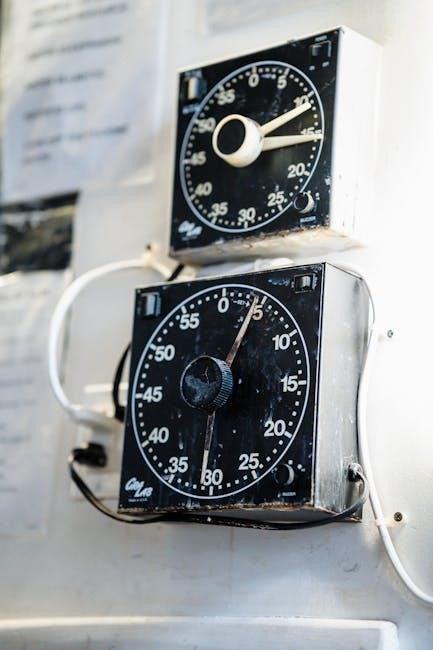
Troubleshooting Common Issues
Orbit timer PDF manuals detail solutions for issues like timers not turning on, water flow problems, and display errors, aiding quick resolution․
Timer Not Turning On
If your Orbit water timer fails to power on, the PDF manual recommends first checking the battery installation, ensuring correct polarity and fresh batteries are used․ A common issue detailed in the manuals is a completely drained battery, especially after winter storage․
Next, verify the timer isn’t in manual mode, as this can sometimes override automatic operation․ Consult the manual’s wiring diagrams to confirm proper connections to the water valve and power source, if applicable․ Some models feature a low-battery indicator; refer to your specific model’s manual for its location and meaning․
The Orbit manuals also suggest inspecting the timer’s internal components for any signs of corrosion or damage, particularly if exposed to the elements․ If the problem persists, the PDF guide advises contacting Orbit customer support for further assistance, providing the model number for efficient troubleshooting․
Water Not Flowing
If water isn’t flowing through your Orbit timer system, the PDF manual directs users to initially check the water supply, ensuring the main valve is fully open․ A frequently cited issue in the manuals is a clogged valve or sprinkler head; cleaning these components is crucial․
The manual emphasizes verifying the programmed watering schedule, confirming it’s active and set for the correct time and duration․ Inspect the timer’s valve for debris or obstructions, as detailed in the troubleshooting section of the PDF․ Ensure the manual override isn’t engaged, preventing automatic operation․
Orbit manuals also advise checking for kinks or blockages in the hose and pipes․ If the problem continues, consult the manual’s diagrams to confirm proper wiring to the solenoid valve․ For persistent issues, the PDF recommends contacting Orbit support with your model number․
Display Issues
Orbit water timer PDF manuals address display problems by first recommending a battery check; low batteries are a common cause of dim or blank screens․ The manuals detail how to properly install new batteries, emphasizing correct polarity․ If the display remains unreadable after a battery replacement, the PDF suggests a reset of the timer, often achieved by removing and reinserting the batteries․
Some Orbit models feature a display brightness setting, adjustable via the timer’s interface – consult your specific model’s manual for instructions․ The PDF also notes that prolonged exposure to direct sunlight can sometimes affect display visibility․
For more complex issues, the manual advises checking for physical damage to the display itself․ If the problem persists, the PDF directs users to Orbit’s customer support, providing model-specific troubleshooting assistance․

Advanced Features & Settings
Orbit timer PDF manuals explain features like rain delay, manual override, and seasonal adjustments, optimizing watering schedules for efficiency and conservation․
Rain Delay Function
Orbit water timer PDF manuals detail the rain delay function, a crucial feature for water conservation․ This allows you to temporarily suspend scheduled watering during rainfall, preventing overwatering and saving resources․ The manual will guide you through activating the rain delay, typically involving setting a duration – from hours to days – that the timer will pause irrigation․
Different Orbit models may have varying methods for engaging this function; some utilize dedicated buttons, while others rely on menu navigation via a digital display․ The PDF will illustrate these steps clearly․ Understanding how to properly utilize the rain delay ensures your lawn and garden receive adequate hydration only when needed, contributing to a healthier landscape and reduced water bills․ Always refer to your specific model’s manual for precise instructions․
Manual Override Mode
Orbit water timer PDF manuals explain the manual override function, providing immediate control over your watering system․ This feature bypasses the programmed schedule, allowing you to initiate watering instantly, regardless of the set timings․ It’s particularly useful for addressing unexpected dry spells or for testing the system’s functionality․
The manual will detail how to activate manual override, often involving a dedicated button or a menu option on digital timers․ It will also clarify how long the override lasts – typically until the next scheduled watering or until manually deactivated․ The PDF guides users through returning to the automatic schedule․ Utilizing manual override offers flexibility and ensures your plants receive water precisely when they need it, even outside the programmed routine․ Consult your model’s manual for specific instructions․
Seasonal Adjustments
Orbit water timer PDF manuals highlight the importance of seasonal adjustments to optimize water usage․ As weather patterns change, your landscape’s watering needs evolve․ These adjustments allow you to increase or decrease watering durations to compensate for hotter, drier summers or cooler, wetter springs․
The manuals detail how to access seasonal adjustment settings, often expressed as a percentage increase or decrease of the programmed schedule․ For example, a 25% increase during peak summer months․ This feature prevents overwatering during cooler periods and ensures adequate hydration during heat waves․ PDF guides explain how to fine-tune your watering schedule, promoting water conservation and healthy plant growth․ Regularly reviewing and adjusting your timer based on seasonal changes, as outlined in the manual, is crucial for efficient irrigation․

Downloading the Orbit Water Timer Manual PDF
Orbit provides PDF manuals online for various timer models, like the B-hyve, accessible through their website for easy download and offline viewing․
Finding the Correct Manual for Your Model
Locating the precise Orbit water timer manual PDF is crucial for successful setup and troubleshooting․ Begin by identifying your specific model number, typically found on a sticker affixed to the timer itself․ This number is essential for navigating the Orbit website’s support section or searching directly through online resources․
Many retailers that sell Orbit products also provide links to downloadable manuals on their websites․ If you purchased your timer recently, check your order confirmation email or the retailer’s website for a direct link․ Be cautious of third-party websites offering manuals; always prioritize official Orbit resources to ensure accuracy and avoid potentially outdated or incorrect information․ Utilizing the model number guarantees you access the correct documentation tailored to your timer’s features and functionalities․
Accessing the PDF Online
Once you’ve identified your Orbit water timer model, accessing the PDF manual online is straightforward․ Visit the official Orbit website and navigate to their support or customer service section․ Utilize the search bar, entering your model number to quickly locate the corresponding manual․ Most manuals are available for immediate download in PDF format, requiring a PDF reader like Adobe Acrobat to view․
Alternatively, a general web search using the terms “Orbit water timer [model number] manual PDF” will often yield direct links to the document․ Ensure the website source appears reputable before downloading․ Online access allows for convenient viewing on various devices – computers, tablets, or smartphones – eliminating the need for physical storage and ensuring you always have the latest version available․
Saving the PDF for Offline Use
After successfully downloading the Orbit water timer manual PDF, saving it for offline access is highly recommended․ This ensures you can consult the guide even without an internet connection, which is particularly useful when working outdoors or in areas with limited connectivity․ Simply select the “Save” option within your PDF reader and choose a convenient location on your computer, tablet, or smartphone․
Consider creating a dedicated folder for all your appliance manuals for easy organization․ Regularly backing up this folder to an external drive or cloud storage provides an extra layer of security against data loss․ Having the manual readily available offline empowers you to troubleshoot issues and perform maintenance independently, maximizing the lifespan of your Orbit timer․

Safety Precautions
Always prioritize electrical safety and water supply considerations when installing and winterizing your Orbit timer, following all manual instructions carefully․
Electrical Safety
When installing and operating your Orbit water timer, strict adherence to electrical safety guidelines is paramount․ Ensure the timer is disconnected from the power source before any maintenance or wiring adjustments are performed․ Avoid exposing the unit to water or moisture, as this can create a hazardous electrical situation; if exposure occurs, immediately disconnect power․
Do not use the timer if the power cord or any electrical components are damaged․ Regularly inspect the wiring for fraying or corrosion․ If the unit requires cleaning, use only a dry cloth and avoid any liquids․ Never attempt to disassemble or repair the timer yourself; instead, contact a qualified electrician for assistance․ Proper grounding is essential for preventing electrical shock, and always follow local electrical codes during installation․
Water Supply Considerations
Before connecting your Orbit water timer, carefully assess your water supply․ Ensure the water pressure is within the timer’s specified operating range to prevent damage or malfunction․ Consider the impact of wind on water distribution, potentially requiring adjustments to your watering schedules․ Verify that your water source is free from debris or sediment, which could clog the timer’s valves and affect performance․
Properly adjust the water supply to accommodate potential wind effects on sprinkler reach․ Regularly inspect the connections between the timer, valves, and water source for leaks․ Winterizing the system is crucial to prevent freezing and potential damage to the timer and pipes; drain all water from the system before the first freeze․ Always adhere to local water conservation regulations when programming your watering schedules․
Winterizing Your Timer
As temperatures drop, protecting your Orbit water timer from freezing is essential․ Begin by disconnecting the timer from the water source and any connected valves․ Thoroughly drain all water from the timer body, valves, and connected pipes to prevent ice formation․ Remove batteries to avoid potential corrosion due to extreme temperatures or moisture․
Store the timer indoors in a dry, frost-free location․ Consider covering outdoor pipes and valves with insulation for added protection․ Before storing, inspect the timer for any damage and address it promptly․ Reinstall the timer in the spring after the last frost, ensuring all connections are secure before resuming operation․ Proper winterization extends the lifespan of your timer and prevents costly repairs․
Leave a Reply