Modine Heater Manual: A Comprehensive Guide
This manual, crafted by Modine experts Jamie Tuinstra and Bob Fritcher, details unit heaters, heat calculations, location guidance, and essential operational insights for optimal performance.
Understanding Modine Heaters
Modine heaters are renowned for their robust construction and efficient heating capabilities, serving diverse applications from commercial spaces to industrial facilities. These unit heaters are designed to deliver consistent and reliable warmth, contributing to comfortable and productive environments.
Jamie Tuinstra and Bob Fritcher, leading experts from Modine Manufacturing Company, emphasize the importance of understanding the specific heater type for optimal operation. Modine offers a comprehensive range, including gas-fired, electric, and hydronic models, each tailored to different heating needs and infrastructure.
Proper understanding of a Modine heater’s components and functionality is crucial for safe and effective use. This includes recognizing key features, interpreting control settings, and adhering to recommended maintenance schedules. A well-maintained Modine heater ensures longevity and peak performance, minimizing energy consumption and maximizing cost savings.
Types of Modine Unit Heaters
Modine Manufacturing Company offers a diverse portfolio of unit heaters, catering to a wide spectrum of heating requirements. Jamie Tuinstra and Bob Fritcher highlight three primary types: gas-fired, electric, and hydronic. Gas-fired heaters utilize natural gas or propane for efficient, high-capacity heating, ideal for large spaces.
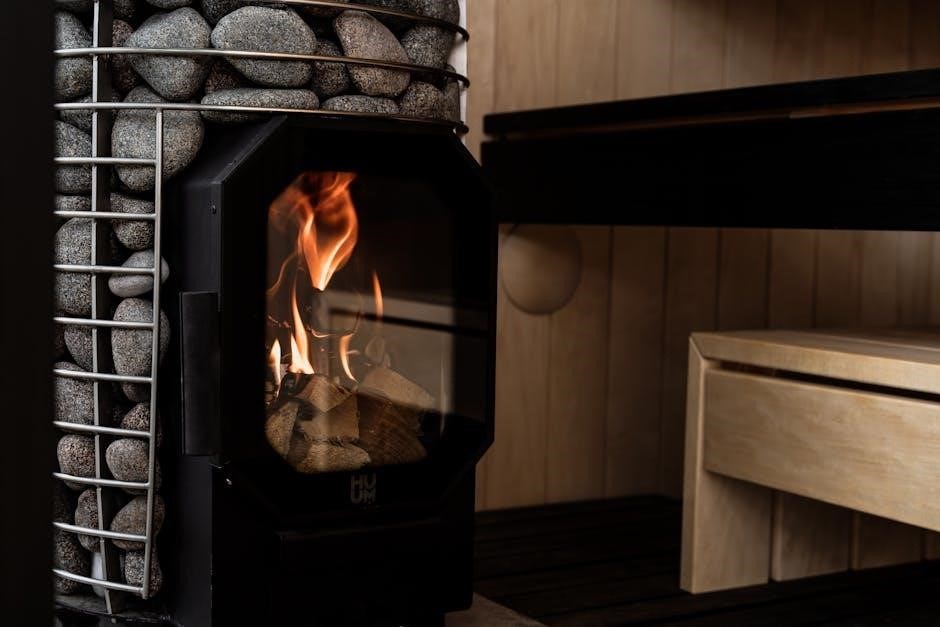
Electric unit heaters provide a clean and convenient heating solution, particularly suitable for areas where gas lines are unavailable or impractical. Hydronic heaters, on the other hand, leverage hot water or steam, offering consistent and quiet operation, often integrated with central heating systems.
Selecting the appropriate heater type depends on factors such as fuel availability, space size, ventilation capabilities, and budget considerations. Understanding the unique characteristics of each type ensures optimal performance, energy efficiency, and long-term cost-effectiveness. Careful evaluation is key to maximizing heating comfort and minimizing operational expenses.

Gas-Fired Modine Heaters
As detailed by Modine’s Jamie Tuinstra and Bob Fritcher, gas-fired unit heaters represent a robust heating solution, utilizing natural gas or propane as fuel. These heaters are renowned for their high heat output and efficiency, making them well-suited for expansive commercial and industrial spaces. Proper ventilation is crucial due to combustion byproducts, necessitating adherence to local codes and regulations.
Installation demands a qualified professional to ensure safe and compliant gas line connections. Gas-fired models often feature advanced controls, including multi-stage burners and electronic ignition systems, enhancing operational flexibility and energy savings. Regular maintenance, including burner inspection and cleaning, is vital for optimal performance and longevity.
Safety features, such as flame sensors and high-limit switches, are integral to preventing hazardous conditions. Understanding these features and adhering to safety guidelines is paramount for responsible operation.
Electric Modine Heaters
According to Modine’s experts, Jamie Tuinstra and Bob Fritcher, electric unit heaters offer a clean and efficient heating alternative, particularly suitable for spaces where gas connections are unavailable or undesirable. These heaters convert electrical energy directly into heat, providing consistent and reliable warmth. Electric models are generally easier to install than gas-fired units, but still require professional electrical wiring to ensure safety and code compliance.
They are available in various voltages and wattages to accommodate different heating needs and electrical capacities. Electric heaters often incorporate features like adjustable thermostats and fan speeds for customized comfort. Regular inspection of heating elements and electrical connections is crucial for maintaining optimal performance and preventing potential hazards.
Energy efficiency can be maximized by utilizing programmable thermostats and optimizing heater placement.
Hydronic Modine Heaters
As detailed by Modine’s Jamie Tuinstra and Bob Fritcher, hydronic unit heaters utilize hot water or steam circulated from a central boiler to provide efficient and even heating. These systems are known for their quiet operation and ability to deliver consistent warmth throughout a space. Hydronic heaters are particularly well-suited for larger buildings or facilities with existing boiler infrastructure.
Installation requires connecting the heater to the building’s hydronic piping system, which should be performed by a qualified plumbing and heating professional. Proper water flow and air venting are essential for optimal performance. Regular maintenance includes checking for leaks, inspecting the heat exchanger, and ensuring proper water treatment to prevent corrosion.
Hydronic systems offer excellent temperature control and can be integrated with building automation systems for enhanced energy management.
Calculating Heat Requirements
As explained by Modine’s heating specialists, Jamie Tuinstra and Bob Fritcher, accurately determining heat requirements is crucial for selecting the appropriately sized Modine heater. Undersized heaters will struggle to maintain comfortable temperatures, while oversized units can lead to inefficient operation and wasted energy. This calculation ensures optimal performance and cost-effectiveness.
The process involves assessing the building’s heat loss, considering factors like insulation levels, window area, climate, and occupancy. Heat loss calculations determine the amount of heat needed to offset these losses and maintain the desired indoor temperature. BTU (British Thermal Unit) is the standard unit for measuring heat.
Utilizing BTU charts and considering specific building characteristics, you can accurately size a Modine heater to meet your heating needs. Proper sizing guarantees comfort and energy savings.
BTU Calculation Basics
Understanding BTU (British Thermal Unit) is fundamental, as highlighted by Modine’s experts Jamie Tuinstra and Bob Fritcher. One BTU represents the amount of energy needed to raise the temperature of one pound of water by one degree Fahrenheit. In heating, BTU measures the heat output of a heater per hour – BTU/h.
A basic BTU calculation involves determining the volume of the space to be heated (length x width x height). Then, you multiply this volume by a heat loss factor, which varies based on insulation quality and climate. A typical range is 30-60 BTU per cubic foot, but this is a generalization.
More precise calculations require considering R-values of insulation, window U-factors, and air infiltration rates; Online BTU calculators and professional HVAC assessments can provide accurate results for optimal heater sizing.
Factors Affecting BTU Needs (Insulation, Climate)
As Modine’s Jamie Tuinstra and Bob Fritcher emphasize, accurate BTU calculation isn’t simply about volume. Insulation significantly impacts heat retention; better insulation reduces BTU requirements. Walls, ceilings, and floors with higher R-values minimize heat loss, lowering the necessary heater capacity.
Climate is another crucial factor. Colder climates demand higher BTU outputs to maintain comfortable temperatures. Heating Degree Days (HDD) – a metric representing how much heating is needed – help quantify climate severity. Regions with higher HDD values require more powerful heaters.
Other considerations include window efficiency (U-factor), air leakage, and building orientation. Drafts and poorly sealed areas increase heat loss, necessitating higher BTU ratings. Properly addressing these factors ensures efficient and cost-effective heating.
Using BTU Charts for Accurate Sizing
Following the guidance of Modine’s experts, Jamie Tuinstra and Bob Fritcher, BTU charts are invaluable for precise heater sizing. These charts correlate square footage, climate zone, and insulation levels to recommended BTU outputs. They streamline the process, eliminating guesswork and ensuring optimal performance.
Charts typically categorize spaces (e.g., residential, commercial, industrial) and account for ceiling height. Carefully identify your space type and climate zone before consulting the chart. Adjustments are necessary based on insulation quality – poorly insulated spaces require higher BTU values.
Remember that charts provide estimates; consider additional factors like window area and occupancy. Rounding up to the next highest BTU rating is often advisable to accommodate peak heating demands and ensure consistent comfort. Proper sizing prevents overheating or underheating.
Modine Heater Installation
As emphasized by Modine’s Jamie Tuinstra and Bob Fritcher, professional installation is crucial for both gas and electric Modine heaters. Incorrect installation can lead to safety hazards and void the warranty. This section outlines key considerations, but always defer to qualified technicians for actual implementation.
Prior to installation, carefully review the unit’s specific installation instructions. Proper heater location is paramount, ensuring adequate airflow and accessibility for maintenance. Gas line and electrical connections require specialized expertise and adherence to local codes. Never attempt these connections yourself!
Secure mounting is essential to prevent vibration and ensure stable operation. Follow the manufacturer’s guidelines for appropriate mounting hardware and procedures. Post-installation, a thorough inspection by a qualified professional is highly recommended to verify proper functionality and safety.
Proper Heater Location Considerations

As Modine’s experts, Jamie Tuinstra and Bob Fritcher, highlight, strategic heater placement significantly impacts efficiency and safety. Avoid locating heaters in areas with obstructions that could impede airflow, such as near tightly packed boxes or draped fabrics. Ensure sufficient clearance around the unit for maintenance and filter access.
Consider the space’s natural airflow patterns; heaters perform best when distributing warm air evenly; Avoid damp or corrosive environments that could damage the unit. Mount the heater securely to a stable surface, minimizing vibration and noise. Proximity to combustible materials must be carefully evaluated and adhere to safety regulations.
Prioritize locations that maximize heat distribution throughout the intended space. Proper placement minimizes cold spots and ensures consistent comfort. Always consult the unit’s installation manual for specific location recommendations and safety guidelines.
Gas Line Connection (Professional Installation Required)
As emphasized by Modine’s Jamie Tuinstra and Bob Fritcher, gas line connections for Modine heaters must be performed by a qualified and licensed professional. Attempting self-installation is extremely dangerous and violates safety codes. The professional will ensure proper gas supply sizing, utilizing appropriate piping materials, and implementing leak detection measures.
A thorough inspection of the existing gas line is crucial to verify its compatibility and capacity. The installer will connect the heater to the gas supply using approved fittings and sealant, adhering to local regulations. Proper grounding is essential to prevent electrical hazards. Post-connection, a meticulous leak test using a soap solution is mandatory.
Never compromise on professional installation; it safeguards against gas leaks, fires, and carbon monoxide poisoning. Always obtain necessary permits and inspections to ensure compliance.
Electrical Wiring (Professional Installation Required)
Modine’s heating specialists, Jamie Tuinstra and Bob Fritcher, strongly advise that all electrical wiring for Modine heaters be completed exclusively by a certified electrician. DIY electrical work poses significant risks, including electrical shock and fire hazards, and may void the heater’s warranty. The electrician will assess the electrical system’s capacity and ensure it meets the heater’s requirements.
Correct wire gauge and circuit breaker sizing are critical for safe operation. The electrician will connect the heater to the power supply, following all applicable electrical codes and standards. Proper grounding is paramount to prevent electrical shock. All connections must be secure and protected within approved electrical boxes.
Do not attempt electrical connections yourself; prioritize safety and compliance by engaging a qualified professional;
Mounting and Securing the Unit
As highlighted by Modine’s Jamie Tuinstra and Bob Fritcher, proper mounting and securing of your Modine heater are crucial for safe and efficient operation. Select a structurally sound mounting location capable of supporting the heater’s weight, even during vibrations. Utilize appropriate mounting hardware – screws, bolts, and brackets – specified in the heater’s installation instructions.
Ensure the heater is level to prevent uneven heat distribution and potential operational issues. Securely fasten the unit to the mounting surface, verifying that all hardware is tightened to the manufacturer’s recommended torque specifications. Maintain adequate clearances around the heater for airflow and servicing, as outlined in the manual.
Regularly inspect the mounting hardware for looseness or corrosion, and address any issues promptly to prevent the heater from becoming unstable.
Operation and Maintenance
Following guidance from Modine’s experts, Jamie Tuinstra and Bob Fritcher, consistent operation and maintenance are vital for extending your heater’s lifespan and ensuring peak performance. Begin with the initial startup procedures detailed in the manual, verifying all connections and settings before activation. Regularly inspect the unit for any unusual noises, smells, or visual anomalies.
Prioritize filter replacement and cleaning as per the recommended schedule, preventing airflow restriction and maintaining heating efficiency. Periodically check and clean the burner assembly (for gas units) or heating elements (for electric units). Address any minor issues promptly to avoid escalation into more significant problems.
Refer to the troubleshooting section for common issues and their solutions, and always prioritize safety during maintenance procedures.
Initial Startup Procedures
As outlined by Modine’s Jamie Tuinstra and Bob Fritcher, before the first use, a thorough check is crucial. Verify the gas supply (if applicable) is connected correctly and leak-tested by a qualified professional. Confirm the electrical connections are secure and match the unit’s voltage requirements – professional installation is essential. Inspect the unit for any shipping damage and ensure all protective coverings have been removed.
Before powering on, double-check the thermostat settings and ensure the area around the heater is clear of obstructions. For gas heaters, follow the lighting instructions precisely, observing the pilot light’s stability. For electric heaters, simply switch on the power and verify the fan and heating elements operate correctly. Monitor the unit during the initial heating cycle for any unusual sounds or smells.
Filter Replacement and Cleaning
As recommended by Modine’s experts, Jamie Tuinstra and Bob Fritcher, regular filter maintenance is vital for optimal performance and air quality. Filters should be inspected monthly and replaced or cleaned as needed, depending on usage and environmental conditions. A dirty filter restricts airflow, reducing heating efficiency and potentially damaging the unit.
To replace the filter, first disconnect the power to the heater. Locate the filter access panel (refer to your specific model’s diagram) and remove the old filter. Note the airflow direction indicated on the filter frame and install the new filter accordingly. For washable filters, gently clean with water and allow to dry completely before reinstalling. Always use the correct filter size and type specified by Modine to ensure proper operation.
Troubleshooting Common Issues
Drawing upon the expertise of Jamie Tuinstra and Bob Fritcher at Modine Manufacturing, this section addresses frequent heater problems. If the heater doesn’t start, verify the power supply, thermostat settings, and check for tripped circuit breakers. Insufficient heat output often indicates a dirty filter or blocked vents – address these first. Unusual noises could signal a fan motor issue or loose components; discontinue use and consult a professional.
For gas-fired units, ensure the gas supply is on and the pilot light is lit (if applicable). If problems persist, do not attempt complex repairs yourself. Contact a qualified HVAC technician for diagnosis and repair. Refer to the full manual for detailed troubleshooting charts specific to your Modine heater model.
Safety Precautions and Warnings
As emphasized by Modine’s Jamie Tuinstra and Bob Fritcher, safety is paramount when operating any heating appliance. Always disconnect power before performing any maintenance or inspection. Never block air vents as this can cause overheating and pose a fire hazard. Keep flammable materials a safe distance from the heater – at least three feet is recommended.
For gas-fired models, be alert for gas leaks; if you smell gas, immediately shut off the gas supply and contact emergency services. Do not attempt to repair gas lines yourself; professional installation and repair are crucial. Ensure proper ventilation to prevent carbon monoxide buildup. Regularly inspect the unit for damage and address any concerns promptly.
Advanced Features & Controls
Modine heaters, as detailed by experts Tuinstra and Fritcher, often include sophisticated control options for enhanced comfort and efficiency. Thermostat settings allow precise temperature regulation, with programmable options for scheduling heating cycles to match occupancy patterns. Remote control operation provides convenient adjustment from anywhere in the space, increasing usability.
Energy-saving modes, such as setback temperatures during unoccupied periods, minimize energy consumption and reduce operating costs. Some models feature diagnostic capabilities, displaying error codes to aid in troubleshooting. Understanding these advanced features allows users to optimize performance and tailor the heating system to their specific needs, maximizing both comfort and savings.
Thermostat Settings and Programming

Modine heater thermostats, as highlighted by Jamie Tuinstra and Bob Fritcher, are central to efficient operation. Basic settings involve adjusting the desired temperature, typically using a dial or digital interface. Programming capabilities allow for customized schedules, setting different temperatures for various times of day or days of the week.

This scheduling feature optimizes energy use by reducing heat output when the space is unoccupied or during off-peak hours. Understanding the thermostat’s interface – including hold, run, and override functions – is crucial. Proper programming ensures consistent comfort while minimizing energy waste, contributing to lower heating bills and a more sustainable operation.
Remote Control Operation
Many Modine heaters, as detailed by Modine Manufacturing Company experts Jamie Tuinstra and Bob Fritcher, offer remote control functionality for enhanced convenience. These remotes typically allow users to adjust temperature settings, change operating modes (heat, cool, auto), and turn the heater on or off from a distance.
Remote controls often feature a clear display showing the current temperature and settings. Pairing the remote with the heater is usually a straightforward process, outlined in the heater’s manual. Effective use of the remote provides greater control over the heating environment, allowing for adjustments without needing to physically access the unit. This is particularly useful for large spaces or areas with limited access.
Energy Saving Modes
Modine heaters, as explained by heating specialists Jamie Tuinstra and Bob Fritcher of Modine Manufacturing Company, frequently incorporate energy-saving modes to optimize efficiency and reduce operational costs. These modes often include a “low” or “eco” setting, which reduces the heater’s output to maintain a comfortable temperature while consuming less energy.
Some models feature programmable timers, allowing users to schedule heating cycles to coincide with occupancy patterns. Smart thermostats integrated with Modine heaters can learn user preferences and automatically adjust settings for maximum energy savings. Utilizing these features not only lowers utility bills but also contributes to a more sustainable heating solution. Properly leveraging these modes ensures efficient and responsible energy consumption.
Leave a Reply