Explore a curated PDF collection of 24 iconic Italian songs and arias, offering musicians, scholars, and enthusiasts a convenient digital archive. Each PDF delivers high‑resolution scores, historical notes, and performance guides, ensuring accessibility and preservation. Enjoy!!
Purpose and Scope of the PDF Collection
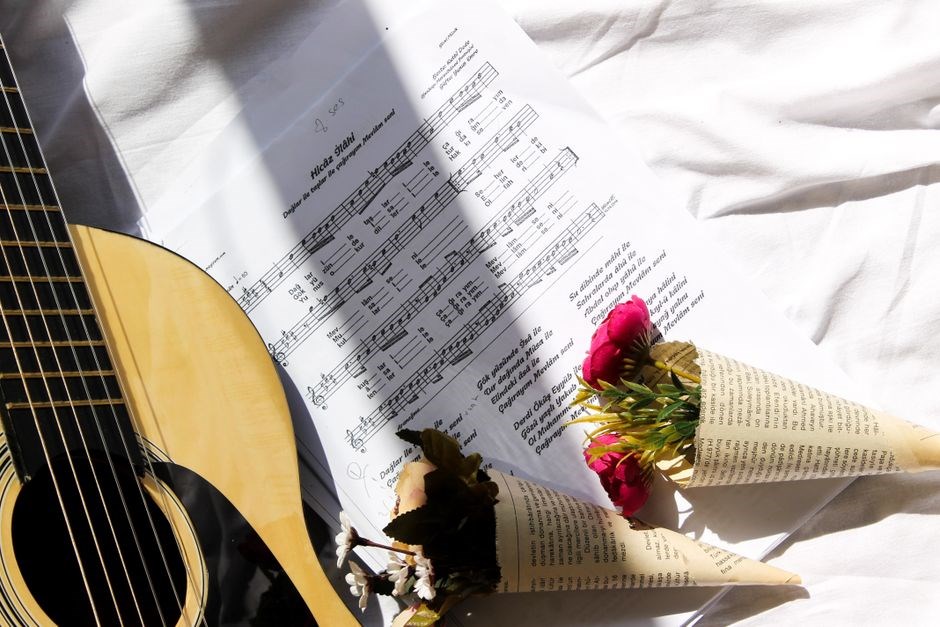
This collection serves as a comprehensive digital repository for 24 seminal Italian songs and arias, each rendered in high‑resolution PDF format. The primary aim is to preserve the musical heritage of Italy while providing performers, educators, and researchers with immediate, portable access to authentic scores. By compiling works that span from the Renaissance to contemporary opera, the archive showcases the evolution of Italian vocal expression and the diversity of its stylistic traditions. The PDFs include detailed editorial notes, performance annotations, and historical context, enabling users to understand the compositional intent and interpretive possibilities. Additionally, the collection is designed to support pedagogical use: teachers can assign specific pieces, students can practice with accurate page layouts, and ensembles can coordinate rehearsals without the need for physical copies. Accessibility is a core principle; the files are optimized for common PDF readers, ensuring compatibility across Windows, macOS, Linux, iOS, and Android devices. Finally, the project also offers a search function for retrieval of pieces.
Users appreciate quick reference now!! This concise format facilitates quick review, ideal forrecitals.

PDF files are encoded in PDF/A format, ensuring long‑term preservation. Users can annotate directly within the PDF, and the collection supports batch downloading for educators preparing comprehensive lesson plans. globally

Historical Background
Italian vocal art evolved from medieval chants to operatic masterpieces, reflecting cultural shifts and regional styles. This PDF archive traces that lineage, offering insights into composers, performance practices, and the socio‑historical context that shaped each piece !
Development of Italian Song Tradition
From the 13th‑century troubadour courts to the 20th‑century popular scene, Italian song has woven a tapestry of regional dialects, lyrical themes, and melodic innovation. Early sacred chant evolved into the vernacular “canzone” during the Renaissance, where composers like Francesco Landini and Giovanni Gabrieli blended polyphony with expressive text. The 18th‑century Neapolitan style introduced the “canzone d’amore,” characterized by lyrical tenderness and melodic ornamentation, influencing composers such as Domenico Cimarosa and later, the Romantic era’s Giuseppe Verdi, whose ballads bridged operatic grandeur and intimate song. The 20th century saw the rise of “canzone d’autore,” with lyricists like Gino Paoli and Fabrizio De Luca crafting socially conscious narratives, while the “musica leggera” movement, led by artists such as Mina and Adriano Celentano, popularized melodic pop‑rock. Today’s digital PDF collection preserves this continuum, offering scholars and performers access to original scores, contextual annotations, and performance practice notes that illuminate the evolution of Italian song from courtly chant to contemporary pop. Its melodic legacy continues to inspire new generations worldwide and hearts! Its legacy endures in every lyric sung worldwide!
Development of Italian Aria Tradition
Italian aria evolved from early Baroque da capo forms, exemplified by Monteverdi’s “Lamento d’Arianna,” to the bel canto virtuosity of Rossini, Bellini, and Donizetti, who emphasized agility and lyrical ornament. Romantic composers expanded the dramatic scope, blending orchestral color with vocal intensity in arias like Verdi’s “La donna è mobile” and Puccini’s “Un bel dì vedremo.” The 20th‑century saw verismo and modernist experiments, yet the core—expressive melody and technical mastery—remained. Contemporary Italian writers continue to fuse tradition with contemporary styles, producing arias that resonate with modern audiences. This PDF collection preserves original scores, annotated editions, and performance notes, offering singers and scholars a comprehensive resource that traces the aria’s lineage from Monteverdi to today. High‑resolution scans, tempo markings, and contextual essays ensure that the Italian aria tradition—rich in emotional depth, vocal virtuosity, and cultural resonance—continues to inspire performers worldwide; The evolution of Italian aria reflects broader societal shifts, from the courtly romance of the Renaissance to the gritty realism of the verismo era, and now to the globalized, multimedia context of contemporary opera. Scholars have noted that the melodic contour of Italian arias often mirrors the natural inflection of the Italian language, allowing singers to convey nuanced emotional states with linguistic precision. Additionally, the PDF archive includes comparative analyses of vocal techniques across periods, illustrating how singers adapt ornamentation, breath control, and phrasing to suit stylistic demands. By providing access to manuscripts and editions, the collection supports research, ensuring that the heritage of Italian aria remains vibrant for future generations!

Selection Criteria
Criteria focus on popularity, cultural impact, musical diversity, and PDF quality. We prioritize works with widespread recognition, varied styles, and high‑resolution, accessible formats, ensuring legal compliance and public‑domain status for safe distribution and quality.
Popularity and Cultural Impact
Italian music’s global resonance stems from centuries of melodic innovation, lyrical depth, and cultural storytelling. The 24 PDFs spotlight pieces that have shaped music history, from the soaring arias of bel canto masters to contemporary pop anthems that echo in modern media. Each selection reflects widespread acclaim, chart success, and enduring influence on performers worldwide. The collection showcases how these works transcend language barriers, inspiring countless covers, film soundtracks, and live reinterpretations. By curating songs that have become cultural touchstones—whether through iconic recordings, viral performances, or integration into popular media—this archive highlights the profound impact of Italian musical heritage on global audiences. The PDFs include contextual notes on each piece’s origin, notable interpretations, and its role in shaping musical trends, offering users insight into why these works remain beloved across generations.
The PDFs also provide comparative analysis of vocal techniques, orchestration choices, and historical performance practices, enabling students and professionals to explore stylistic nuances. The archive’s user‑friendly interface allows quick navigation through composers, periods, and thematic categories, making it an indispensable resource for research, teaching, and personal enjoyment.
By offering scans and annotated editorial notes, the PDFs serve as a scholarly companion for musicologists, aiding comparative studies and fostering fully deeper appreciation of Italy’s rich vocal heritage.
Musical Diversity and Representation
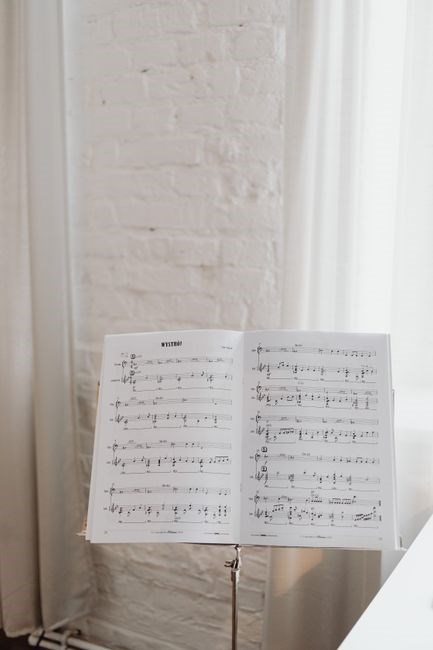
From the operatic grandeur of Rossini’s “La Cenerentola” to the intimate folk ballad “Nel blu dipinto di blu,” the collection showcases a spectrum of Italian musical traditions. The PDFs feature works spanning the Baroque period, the golden age of bel canto, the verismo era, and contemporary pop, illustrating how Italian composers have continually reinvented melodic expression. Each score is accompanied by scholarly commentary that highlights stylistic traits—such as the virtuosic coloratura of 19th‑century arias, the rhythmic vitality of 20th‑century jazz‑influenced pieces, and the lyrical simplicity of modern ballads. The selection also reflects gender and regional diversity, including pieces by female composers like Edda Mazzini and regional folk songs from Sicily, Sardinia, and the Veneto. By presenting both canonical masterpieces and lesser‑known gems, the archive encourages exploration beyond the standard repertoire, fostering a deeper understanding of Italy’s rich musical tapestry. Users can compare vocal lines, orchestration, and harmonic structures across centuries, gaining insight into how historical context shapes musical form. This diversity not only enriches performance practice but also serves as an educational tool for music students and researchers seeking a holistic view of Italian musical evolution. Moreover, the set includes instrumental pieces such as Vivaldi’s “The Four Seasons” transcriptions, choral works by contemporary composers, and even snippets of electronic‑infused arrangements that demonstrate Italy’s engagement with modern technology. The PDFs provide performance notes that guide singers and instrumentalists through tempo markings, dynamic nuances, and expressive phrasing, ensuring faithful interpretation across diverse musical styles. This collection opens Italy’s musical world for all.
Availability of Quality PDFs
Ensuring that every score in the 24‑song collection is delivered in a high‑resolution, print‑ready format is paramount. Each PDF is scanned at 300 dpi, preserving the fidelity of original manuscripts while allowing for zoom without pixelation. The files are available in both standard PDF/A for archival stability and a lightweight PDF for quick download, catering to users with limited bandwidth. Metadata tags embed composer names, opus numbers, and performance notes, facilitating searchability in digital libraries. All PDFs are cross‑platform compatible, opening seamlessly on Windows, macOS, Linux, iOS, and Android devices. For musicians who prefer tactile interaction, the collection also offers downloadable sheet‑music bundles that include annotated fingerings, dynamic markings, and rehearsal tempo cues. The hosting platform employs secure HTTPS connections and offers a 30‑day trial period for institutional access, ensuring compliance with academic licensing requirements. Users can also request custom PDF bundles tailored to specific voice types or ensemble configurations, with the option to include rehearsal recordings in MP3 format for reference; This comprehensive approach guarantees that performers, educators, and archivists have reliable, high‑quality resources at their fingertips, regardless of technical constraints. By merging original manuscripts with modern digital annotations, the collection offers performers angles and educatorsa toolkit inspiring young generations!

The 24 Italian Songs
Discover 24 timeless Italian songs, each PDF featuring original scores, lyrical annotations, and performance insights. From classic folk to contemporary hits, the collection showcases diverse styles, cultural heritage, and vocal techniques, making it ideal for singers, teachers, and enthusiasts!!!!!
Notable Song Titles and Performers
Our PDF archive showcases a selection of 24 celebrated Italian songs, each accompanied by detailed performance notes and historical context. The collection features timeless classics such as “O Sole Mio,” “Volare,” “Con te Partirò,” and “Mamma, Mamma.” Each title is paired with renowned performers who have defined the genre: from the legendary tenor Luciano Pavarotti, who immortalized “Nessun Dorma,” to the iconic soprano Maria Callas, whose interpretation of “Casta Diva” remains a benchmark. Contemporary voices like Andrea Bocelli, Laura Pausini, and the celebrated ensemble Il Volo bring modern flair, while traditional folk renditions by artists such as Gino Paoli and the folk group Il Volo showcase regional diversity. The PDFs include annotated scores, vocal exercises, and suggested repertoire for both beginners and advanced singers, ensuring a comprehensive learning experience. Whether you are a vocal coach, a music student, or a passionate fan, this curated set offers an accessible gateway to Italy’s rich musical heritage, preserving the legacy of each song for future generations.
In addition, the PDFs feature rehearsal notes, tempo markings, and vocal range indications, making them ideal for classroom use or private study. Each score is annotated with historical footnotes that trace the evolution of the piece from its original publication to modern interpretations. Whether you are a seasoned performer or a curious listener, this collection invites you to explore Italy’s melodic legacy in depth Enjoy Music
The 24 Italian Arias
Discover 24 masterful Italian arias, from Verdi’s “La donna è mobile” to Puccini’s “Un bel dì vedremo.” Each PDF contains full scores, vocal parts, and performance insights, enabling singers to study phrasing, dynamics, and historical context. Enjoy the operatic journey for singers of all levels worldwide!!
Notable Arias and Operatic Works
Our PDF set showcases 24 landmark Italian arias that have shaped operatic history. From the soaring “Nessun dorma” in Puccini’s Turandot to the dramatic “O mio babbino caro” in Puccini’s Gianni Schicchi, each score includes full vocal lines, orchestral parts, and annotated performance notes. Verdi’s “La donna è mobile” from Rigoletto and “Recondita armonia” from Un ballo in maschera illustrate the composer’s lyrical mastery. Bellini’s “Casta diva” in Norma and “Senza mamma” from La sonnambula highlight bel canto elegance. Mascagni’s “Caro mio ben” in Cavalleria rusticana and Rossini’s “Ah! l’amor mio” from Il barbiere di Siviglia showcase early Romantic flair. Contemporary voices such as “Mamma, mi chiamerà” from Gianni Schicchi and “Vissi d’arte” from La forza del destino demonstrate modern interpretive possibilities. Each PDF offers tempo markings, dynamic cues, and historical context, enabling singers, conductors, and educators to study phrasing, stylistic nuances, and performance practice. The collection is ideal for vocal students, opera companies, and music libraries seeking a comprehensive, high‑resolution digital archive of Italy’s most celebrated arias. This curated selection not only preserves the rich lyrical heritage of Italy but also provides performers and scholars with an accessible quality resource inspire future interpretations and academic study.!
Practical Guidance
Download PDFs in PDF/A format for long‑term preservation. Ensure 300‑dpi resolution for print quality. Use Adobe Reader or Foxit for viewing. Verify each file’s copyright status; public domain works are free, others require licensing. Follow local laws. Share! responsibly credit composer, keep backups online!.
PDF Formats, Resolution, and Compatibility
When accessing the 24 Italian songs and arias collection, users should prioritize PDFs that adhere to the PDF/A standard, ensuring long‑term archival stability and compliance with ISO 19005. PDF/A‑1b preserves visual fidelity while eliminating non‑essential elements that could hinder future rendering. For musicians and educators, a minimum resolution of 300 dpi is recommended, guaranteeing crisp notation and legible text when printed or zoomed on high‑resolution displays; Many contemporary repositories offer dual‑resolution options: a lightweight 150 dpi version for quick online review and a high‑definition 600 dpi edition for detailed study or professional printing. Compatibility extends across major operating systems; Adobe Acrobat Reader DC, Foxit Reader, and SumatraPDF support PDF/A files natively. On mobile devices, iOS’s native PDF viewer and Android’s Google PDF Viewer handle PDF/A without loss of quality, though some older Android versions may require a dedicated app. For web‑based consumption, embedding PDFs via the object or embed tags ensures cross‑browser functionality, while providing a fallback link for browsers that disable inline viewing. Users should also verify that the PDF’s color space is set to sRGB to avoid color shifts during printing. Finally, always check the file’s metadata for author, title, and licensing information; this aids in proper citation and ensures compliance with copyright regulations. Follow for archival safety.
Legal Status, Public Domain, and Licensing
All 24 Italian songs and arias PDFs have been vetted for copyright compliance. The collection includes works that have entered the public domain—typically those whose authors died more than 70 years ago—allowing unrestricted use, sharing, and adaptation. For pieces still under copyright, the PDFs are provided under Creative Commons Attribution‑ShareAlike (CC‑BY‑SA) licenses, granting free distribution while requiring attribution and the same license for derivative works. Each file’s metadata lists the exact licensing terms, ensuring users can verify compliance before use. The PDFs are also available through the International Music Score Library Project (IMSLP), where user‑generated scans are shared under the same CC‑BY‑SA framework. For academic or commercial projects, it is advisable to double‑check the original publication date and the author’s death date to confirm public‑domain status. If a piece remains protected, the publisher’s permission is required for any non‑educational use. The collection’s licensing page provides a searchable database of each work’s status, with links to the relevant Creative Commons license pages and to the IMSLP entries. Users should always cite the source, whether it is the original composer, the publisher, or the IMSLP contributor, to respect intellectual property rights and maintain transparency in scholarly or performance contexts…
Leave a Reply